
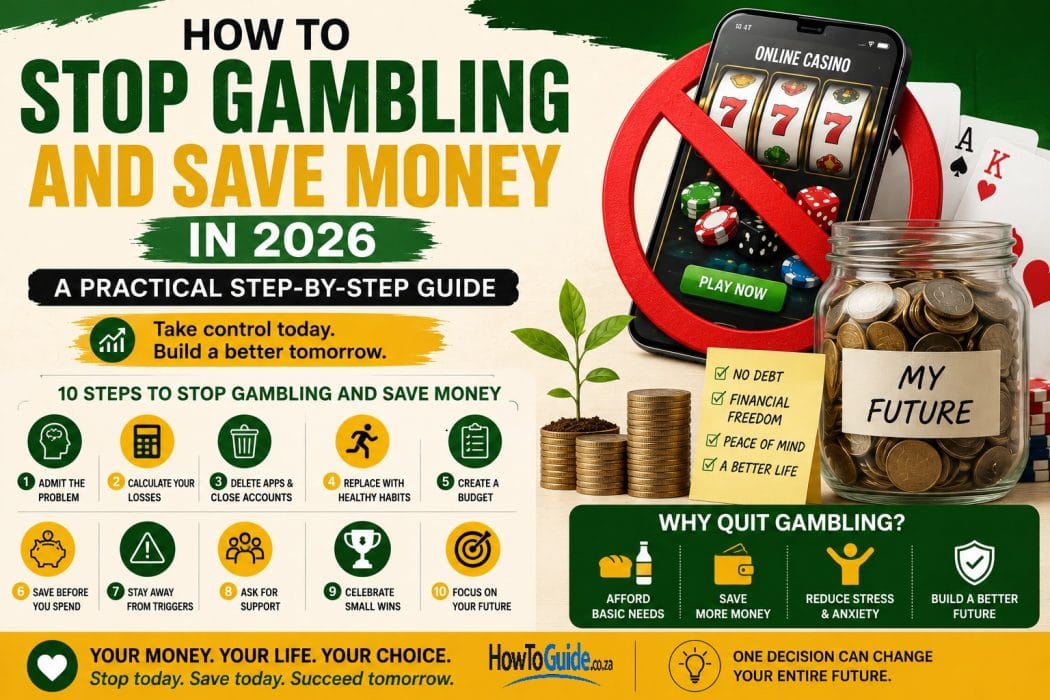
1. Introduction
Gambling may seem like an easy way to make quick money, but for many people it becomes one of the fastest ways to lose it. Whether it’s sports betting, online casinos, slot machines, or lottery tickets, gambling often creates the hope of a big win while quietly draining your bank account.
Many people start gambling for entertainment, but over time it can become a habit that affects every part of life. Before long, money meant for groceries, electricity, transport, rent, or school expenses disappears. Some people even find themselves borrowing money or taking loans just to continue gambling, creating a cycle that becomes difficult to escape.
If you’ve ever reached the end of the month without enough money to buy basic necessities because you spent it on gambling, you’re not alone. Thousands of people face the same challenge every day.
The good news is that change is possible. Learning how to stop gambling and save money is one of the best financial decisions you can make. This guide provides practical, realistic steps to help you regain control of your finances and build a more secure future.
2. Who This Guide Is For
This guide is designed for:
- People who want to stop gambling.
- Anyone struggling with sports betting or online casinos.
- Individuals who want to save more money.
- Families supporting someone with a gambling problem.
- Young adults beginning healthier financial habits.
- Anyone looking to reduce unnecessary spending and improve financial wellbeing.
3. Requirements
You don’t need expensive tools or financial expertise to begin. What you do need is:
- A willingness to change.
- An honest assessment of your gambling habits.
- Access to your bank statements or betting history.
- A simple monthly budget.
- A savings account.
- Support from trusted friends or family (if possible).
- Patience and consistency.
If gambling has become difficult to control or is affecting your wellbeing, consider seeking support from a qualified counsellor or gambling support organisation.
4. Step-by-Step Guide
Step 1: Admit That Gambling Is Costing You More Than Money
Ask yourself:
- Am I gambling more than I planned?
- Have I borrowed money to gamble?
- Do I struggle to pay for essentials because I gambled?
- Do I chase my losses hoping to win them back?
If you answered “yes” to any of these questions, gambling may be negatively affecting your financial wellbeing.
Recognising the problem is the first step toward changing it.
Step 2: Calculate How Much Gambling Really Costs
Review your:
- Bank statements.
- Betting app history.
- Card transactions.
- Cash withdrawals.
Add everything together.
Many people are surprised by how much they have spent over a month or a year. Seeing the total amount can provide the motivation needed to make a change.
Step 3: Delete Gambling Apps and Close Betting Accounts
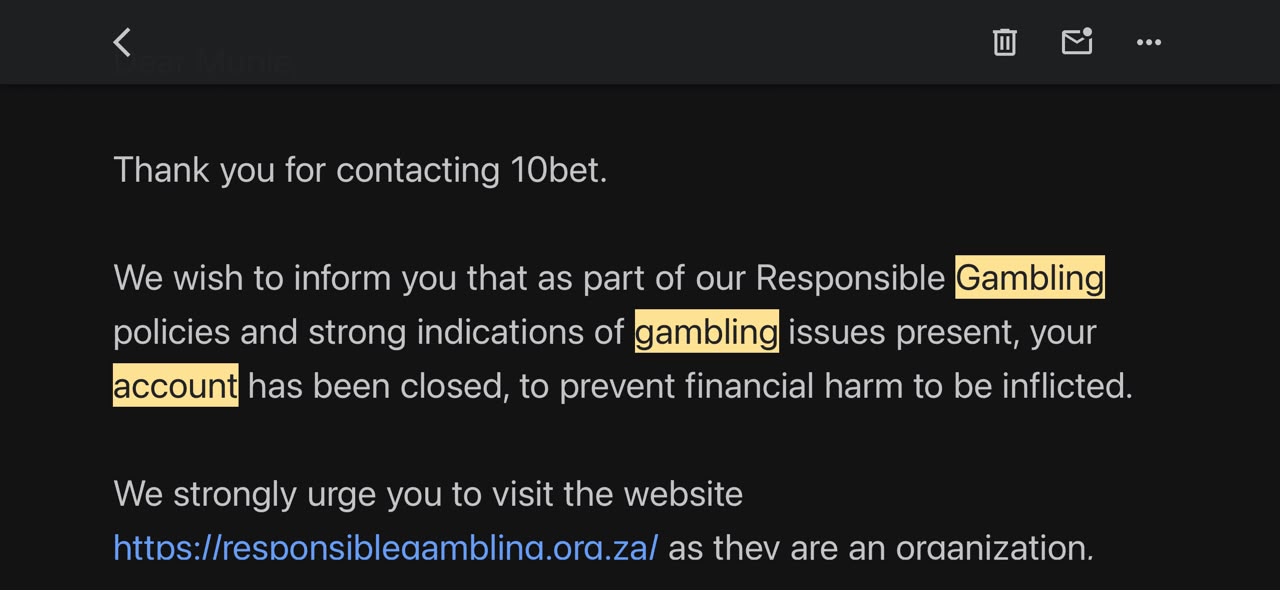
Reduce temptation by making gambling less accessible.
Delete:
- Sports betting apps.
- Online casino apps.
- Gambling websites saved in your browser.
Where possible, request account closure or use self-exclusion tools offered by gambling operators.
Step 4: Replace Gambling With Positive Activities
Breaking a habit is easier when you replace it.
Consider:
- Walking or exercising.
- Reading books.
- Learning a new skill.
- Starting a side business.
- Spending time with family.
- Watching educational content.
- Volunteering in your community.
Replacing gambling with meaningful activities helps reduce the temptation to return.
Step 5: Create a Monthly Budget
Give every rand a purpose before spending it.
| Expense | Example Amount |
|---|---|
| Rent | R3,500 |
| Food | R2,000 |
| Transport | R800 |
| Savings | R700 |
| Emergency Fund | R500 |
| Entertainment | R500 |
A budget helps you stay focused on your financial priorities.
Step 6: Save Before You Spend
Treat savings like a monthly bill.
When you receive your income:
- Transfer money into savings first.
- Use a separate savings account.
- Automate transfers if possible.
Even small, regular savings can grow into a meaningful emergency fund.
Step 7: Avoid Your Gambling Triggers
Common triggers include:
- Friends who gamble regularly.
- Betting advertisements.
- Sporting events linked to gambling.
- Feeling stressed, lonely, anxious, or bored.
Identify your triggers and create a plan to avoid or manage them.
Step 8: Ask for Support
Recovery is often easier with support.
Speak to:
- A trusted family member.
- A close friend.
- A financial adviser.
- A counsellor.
- A gambling support group.
You don’t have to face the challenge alone.
Step 9: Celebrate Small Milestones
Recognise your progress.
Celebrate achievements like:
- One week without gambling.
- One month without betting.
- Saving your first R1,000.
- Paying off debt.
- Reaching a savings goal.
Every milestone is proof that positive change is happening.
Step 10: Focus on Your Long-Term Goals
Think about what your money could achieve instead.
Your savings could help you:
- Buy groceries without stress.
- Build an emergency fund.
- Start a business.
- Pay school fees.
- Buy a car.
- Save for a home.
- Enjoy holidays without debt.
Every rand you don’t gamble can help build a stronger financial future.
5. My Experience or Practical Insights
From my personal experience, gambling became a habit that left me constantly thinking about betting and often struggling financially. I realised that if I didn’t stop, it would only get worse. Choosing to quit was one of the best financial decisions I made. It allowed me to focus on saving money, managing my finances better, and building a more secure future.
6. Common Mistakes to Avoid
Believing the Next Bet Will Recover Your Losses
Chasing losses often leads to even greater financial problems.
Borrowing Money to Gamble
Avoid using:
- Loans.
- Credit cards.
- Friends’ money.
- Family members’ money.
Borrowing to gamble can quickly create long-term debt.
Hiding the Problem
Keeping gambling secret often makes recovery more difficult.
Talking to someone you trust can help.
Treating Gambling as an Investment
Gambling is entertainment, not a reliable way to build wealth.
Long-term financial security comes from saving, investing responsibly, and increasing your income through legitimate opportunities.
Ignoring Small Losses
Small bets can add up to significant amounts over time.
Track every gambling-related expense.
7. Troubleshooting
I Keep Relapsing
Recovery is rarely perfect.
Identify what triggered the relapse, learn from it, and continue working toward your goal.
I Can’t Stop Thinking About Gambling
Keep yourself occupied with productive activities and avoid situations that encourage gambling.
My Friends Keep Inviting Me to Gamble
Be honest about your decision to stop.
Suggest alternative activities instead.
I’ve Lost Too Much Money Already
Focus on the future rather than trying to recover past losses through more gambling.
My Debt Is Becoming Unmanageable
Seek advice from a qualified financial adviser or debt counsellor as early as possible.
8. Helpful Tips and Best Practices
- Set clear financial goals.
- Track every expense.
- Save money automatically.
- Avoid gambling advertisements where possible.
- Limit time spent around gambling environments.
- Reward yourself for achieving savings milestones.
- Build healthy hobbies and routines.
- Review your budget every month.
- Stay accountable to someone you trust.
- Remember why you decided to stop gambling.
9. Frequently Asked Questions
1. Is gambling addictive?
Yes. Gambling can become addictive and affect finances, relationships, work, and mental wellbeing.
2. Can I save money after years of gambling?
Yes. Many people successfully rebuild their finances through budgeting, debt repayment, and consistent saving.
3. How much should I save each month?
Save whatever you can comfortably afford. Even small amounts saved regularly can make a significant difference over time.
4. What should I do instead of gambling?
Exercise, learn new skills, spend time with family, volunteer, read, or start a side business.
5. What if I relapse?
A relapse doesn’t erase your progress. Learn from it, recommit to your goals, and seek additional support if needed.
6. Should I close my betting accounts?
Yes. Closing accounts and using self-exclusion tools can help reduce temptation and make it easier to maintain your decision to stop gambling.
7. When should I seek professional help?
If gambling is causing financial hardship, relationship problems, emotional distress, or you find it difficult to stop despite repeated efforts, it’s important to seek professional support.
10. Official Resources and References
For reliable information and support, consult reputable organisations such as:
- National Responsible Gambling Programme (South Africa)
- South African Responsible Gambling Foundation
- National Council on Problem Gambling (where applicable)
- Your healthcare provider or a registered mental health professional
- Registered debt counsellors and accredited financial advisers
Always use official and reputable organisations when seeking help for gambling-related concerns.
11. Conclusion
Stopping gambling is about far more than saving money—it’s about taking back control of your financial future and overall wellbeing. While gambling may promise quick rewards, it often results in debt, stress, and missed opportunities. By recognising the problem, removing temptation, creating a realistic budget, building healthier habits, and seeking support when needed, you can break the cycle and begin rebuilding your finances.
Remember that progress takes time. Every day you choose not to gamble is another step toward greater financial security, peace of mind, and a brighter future for yourself and your family.
12. Disclaimer
Disclaimer: This article is for educational and informational purposes only and should not be considered financial, legal, medical, or mental health advice. If gambling is seriously affecting your finances, relationships, or wellbeing, seek assistance from a qualified counsellor, healthcare professional, financial adviser, or a recognised gambling support organisation. If you are in crisis or feel unable to keep yourself safe, seek immediate assistance from local emergency services or a qualified mental health professional.

.
About Pheto M
Pheto M is the founder and guide writer of HowToGuide.co.za, a practical information website created to help people find clear, useful and easy-to-understand guidance on everyday topics.
Pheto started HowToGuide.co.za after noticing a common problem: people often need help with important questions, applications, services and everyday decisions, but the information available online can be confusing, difficult to understand or scattered across different sources.
Pheto has experience and knowledge across several areas, including Business, Information Technology (IT), Education and Relationships. These areas have given her a practical understanding of different challenges people face in their personal, professional and everyday lives.
Today, she dedicates her time to researching, writing and updating practical guides designed to help readers understand information and take the right steps with greater confidence.
Her approach is simple: make complex information simple, confusing processes clear, and difficult situations easier to manage.
Through HowToGuide.co.za, Pheto aims to provide practical, accessible and helpful information that readers can use in their everyday lives.
Pheto values feedback from readers and is committed to continually improving the content on HowToGuide.co.za. If you have a question, suggestion, or would like to get in touch, you can email her at admin@howtoguide.co.za. She personally reviews reader feedback and aims to respond within 48 hours.
How to Register a Customary Marriage in South Africa Before the 31 August 2026 Deadline
August 9, 2026
Reading Time: 11 minutesRegister your customary marriage in South Africa before the 31 August 2026 deadline. Learn about required documents, family witnesses, and Home Affairs steps.
How to Explain Colors to a Blind Person or Child (2026): A Sensory Guide
July 26, 2026
Reading Time: 5 minutesExplaining color to someone who is blind might sound impossible, but colors are far more than just visual—they are felt, heard, tasted, and experienced. Discover practical, sensory-rich ways to introduce color concepts to blind children or adults using everyday touch, temperature, emotion, and sound.
How to Change a Tire (Tyre) Safely: A Step-by-Step Guide for Beginners(2026).
July 23, 2026
Reading Time: 6 minutesLearn how to change a flat tire (tyre) safely with this easy, step-by-step guide for beginners. Discover the essential tools you need, clear instructions to replace your tire, common mistakes to avoid, and key safety tips for the road.
How to Stop Gambling and Save Money in 2026: A Practical Step-by-Step Guide
July 21, 2026
Reading Time: 6 minutesLearn how to stop gambling and protect your income. Explore step-by-step methods to calculate your true gambling costs, replace bad habits, and build a lasting savings plan.
Deep Questions to Ask Your Partner for a Stronger Relationship (2026)
July 14, 2026
Reading Time: 5 minutesEvery relationship reaches a point where everyday conversations are no longer enough. Strong, unshakable bonds aren’t built by accident—they are built through honest conversations, trust, and a willingness to hear difficult truths. This comprehensive guide features 10 sections of intentional, deep questions designed to help couples move past surface-level talk, explore emotional intimacy, and establish regular “love meetings” for lasting connectio
How to Deal With Grief: A Simple Step-by-Step Guide to Healing
July 10, 2026
Reading Time: 6 minutesLearn how to deal with grief with this simple, step-by-step guide. Discover practical coping tools, understand your emotions, and find your way to a new normal.
How to Pray: A Step-by-Step Biblical Guide for Beginners (2026
July 8, 2026
Reading Time: 7 minutesWhether you are new to prayer or looking to deepen your spiritual life, this comprehensive, step-by-step guide breaks down how to pray using Bible-recommended patterns. From preparing your heart and mastering the Lord’s Prayer to applying the practical ACTS method, discover actionable steps, situational prayers, and a 5-minute daily cheat sheet to help you build a consistent and meaningful conversation with God.