
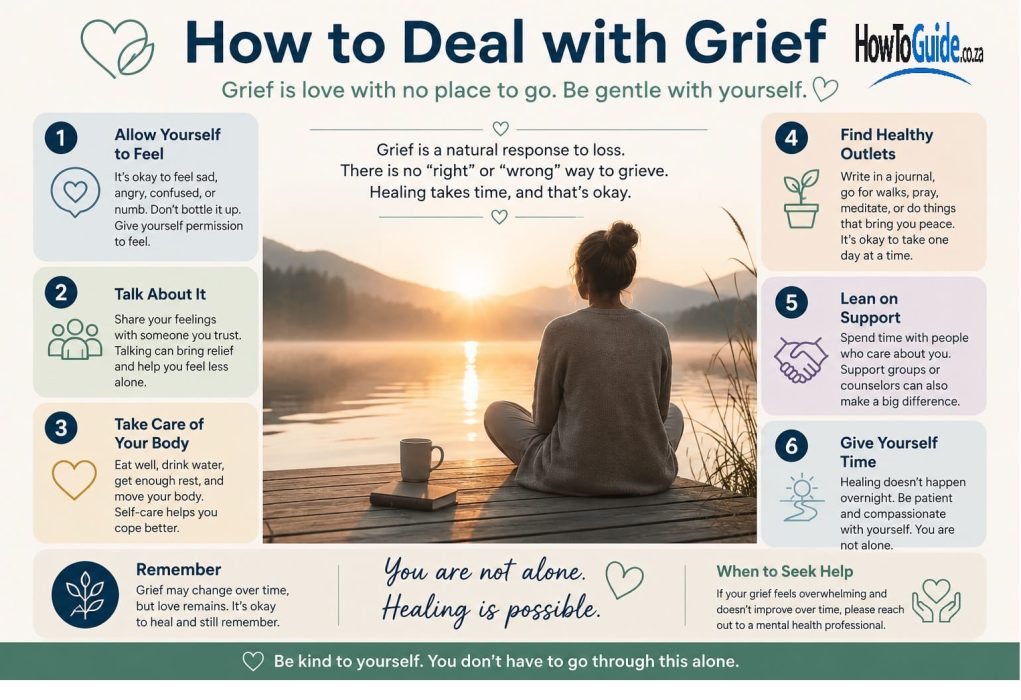
If you are in immediate emotional crisis or thinking about harming yourself, seek help immediately by contacting your local emergency services or a trusted crisis helpline. You do not have to face this alone.
1. Introduction
Losing someone you love is one of the most painful experiences in life. Whether you have lost a parent, spouse, child, sibling, friend, or even a beloved pet, grief can affect every part of your life. Some days you may feel numb, while other days the sadness may feel overwhelming.
More than ten years ago, I experienced a devastating personal loss. In the beginning, even simple things like eating, sleeping, or getting through the day felt impossible. I wanted the pain to disappear, but over time I learned something important: healing does not mean forgetting the person you lost. It means learning to carry their memory with you while gradually rebuilding your life.
This guide combines my personal experience with practical advice commonly recommended by mental health professionals. It is written in simple English to help you understand grief and take small, manageable steps toward healing.
One thing I want you to remember throughout this guide is this:
There is no right or wrong way to grieve. Your journey is your own, and that is okay.

2. Who This Guide Is For
This guide is for anyone who is grieving, including people who have experienced:
- The death of a loved one
- The end of a relationship or divorce
- A miscarriage or pregnancy loss
- The loss of a pet
- Losing a job or career
- A serious illness
- Moving away from family or friends
- Any significant life loss that has caused emotional pain
Whether your loss happened recently or many years ago, this guide is designed to offer practical support and reassurance.
3. Requirements
There are no special qualifications or “correct” way to grieve. However, a few simple things can make the healing process more manageable.
Try to have:
- A trusted friend or family member you can talk to
- A notebook or journal for your thoughts
- A quiet place where you can rest when needed
- Healthy food and enough water
- Access to professional support if your grief becomes overwhelming
Remember that asking for help is a sign of strength, not weakness.
4. Step-by-Step Guide
Step 1: Focus on Getting Through Today
During the first days or weeks after a loss, simply getting through the day is enough.
Try to:
- Eat small meals even if you are not hungry.
- Drink water regularly.
- Rest whenever your body needs it.
- Accept practical help from others.
- Avoid making major life decisions if possible.
- Create a simple daily routine.
Step 2: Allow Yourself to Feel Your Emotions
Grief brings many emotions, including sadness, anger, guilt, fear, confusion, and loneliness.
Healthy ways to process these feelings include:
- Naming your emotions.
- Crying when you need to.
- Writing in a journal.
- Talking openly with someone you trust.
- Accepting that emotions come and go in waves.
There is no need to hide your feelings or pretend you are okay.
Step 3: Use Healthy Ways to Cope
Small actions can help you manage difficult days.
Consider:
- Taking a short walk.
- Spending time outdoors.
- Listening to calming music.
- Creating a memory box.
- Lighting a candle on special occasions.
- Looking through happy photographs.
- Avoiding alcohol or drugs as a way to cope.
Step 4: Let Other People Support You
Grief often makes people want to isolate themselves, but support can make a significant difference.
You might:
- Talk to a close friend.
- Join a grief support group.
- Speak with a counsellor or therapist.
- Accept offers of practical help.
- Connect with others who have experienced similar losses.
Step 5: Build Your New Normal
Healing does not mean forgetting your loved one.
As time passes, you may begin to:
- Enjoy small moments again.
- Return to hobbies.
- Create new routines.
- Celebrate your loved one’s memory.
- Make plans for the future.
Your life will be different, but it can still be meaningful and joyful.
5. My Experience and Practical Insights
When I lost someone close to me more than a decade ago, I believed the pain would never become manageable. Every day felt heavy, and even simple tasks required enormous effort.
Looking back, I realise I made one important mistake: I expected healing to happen quickly. When I had a good day followed by a difficult one, I thought I was moving backwards.
I eventually learned that grief does not follow a straight path. Some days you feel stronger, and other days a memory, song, or anniversary can bring the sadness back. That does not mean you are failing—it simply means you are grieving.
One practice that helped me most was allowing myself to remember my loved one instead of trying to avoid every reminder. Talking about them, looking at photographs, and sharing memories gradually became less painful and more comforting.
Healing takes time, and everyone moves at their own pace.
6. Common Mistakes to Avoid
Many people unknowingly make grief harder by:
- Believing there is a “correct” way to grieve.
- Comparing their healing to others.
- Suppressing their emotions.
- Isolating themselves completely.
- Using alcohol or drugs to numb the pain.
- Making major life decisions too soon.
- Feeling guilty for laughing or enjoying life again.
- Expecting grief to disappear completely.
7. Troubleshooting
I feel numb.
This is a common reaction after a significant loss. Your mind may be protecting you from overwhelming emotions.
I can’t stop crying.
Frequent crying is a normal part of grief. If it becomes overwhelming or prevents you from functioning for an extended period, consider speaking with a healthcare professional.
I feel guilty.
Many grieving people experience guilt, even when they have done nothing wrong. Talking with someone you trust or a counsellor can help you work through these feelings.
I cannot sleep.
Try maintaining a regular bedtime, limiting caffeine later in the day, and avoiding screens before bed. If sleep problems continue, seek medical advice.
I feel like I will never be happy again.
This feeling is common during grief. Although healing takes time, many people gradually find joy and purpose again while continuing to honour their loved one’s memory.
8. Helpful Tips and Best Practices
To support your healing:
- Take one day at a time.
- Stay hydrated and eat regular meals.
- Keep a simple daily routine.
- Spend time outdoors.
- Exercise gently if you are able.
- Write down your thoughts.
- Accept help from others.
- Honour your loved one in meaningful ways.
- Be patient with yourself.
- Seek professional support if your grief feels overwhelming.
9. Frequently Asked Questions
1. How long does grief last?
There is no fixed timeline. Healing may take months or years, and every person’s experience is different.
2. Is it normal for grief to come in waves?
Yes. Many people experience good days followed by difficult ones. This is a normal part of grieving.
3. Should I see a therapist?
If your grief feels overwhelming or is affecting your ability to function in daily life, speaking with a mental health professional can be very helpful.
4. Is it normal to feel relief after someone dies?
Yes. This can happen, especially if the person experienced a long illness or prolonged suffering. Feeling relief does not mean you loved them any less.
5. How can I help someone who is grieving?
Listen without judging, avoid trying to “fix” their feelings, and offer practical help such as preparing meals or checking in regularly.
6. Will I ever feel happy again?
Many people gradually experience happiness again while continuing to remember and love the person they lost.
7. How should I cope with birthdays and anniversaries?
Plan ahead. You may choose to spend time with loved ones, visit a meaningful place, light a candle, or simply allow yourself space to remember.
8. Is it okay to talk about my loved one?
Yes. Sharing memories can be an important part of healing and keeping their memory alive.
9. Can children experience grief?
Yes. Children grieve differently from adults and often benefit from honest, age-appropriate conversations and additional support.
10. When should I seek professional help?
If your grief is causing prolonged difficulty with eating, sleeping, daily functioning, or if you are experiencing thoughts of self-harm or suicide, seek professional support immediately.
10. Official Resources and References
If you need additional support, consider reaching out to trusted organisations that specialise in grief and mental health.
South African Depression and Anxiety Group (SADAG) provides mental health information, counselling resources, and support services in South Africa.
Other recognised grief support resources include:
- GriefShare
- The Dougy Center
- What’s Your Grief
- American Psychological Association (APA)
- Local hospice bereavement services
- Registered psychologists, counsellors, and social workers
If you are experiencing a mental health crisis or thoughts of self-harm, contact your local emergency services or the nearest crisis support service immediately.
11. Conclusion
Grief changes us, but it does not have to define the rest of our lives.
Although the pain of losing someone may never disappear completely, it often becomes more manageable with time. You may eventually find yourself smiling at happy memories instead of only crying over the loss.
Healing is not about forgetting. It is about learning to carry both love and loss together while slowly building a meaningful future.
Take things one day at a time. Accept support when you need it. Be patient with yourself, and remember that there is no timetable for grief.
You are not alone, and with time, compassion, and support, healing is possible.
12. Disclaimer
This guide is provided for informational and educational purposes only. It is based on research, widely accepted bereavement guidance, expert recommendations, and personal experience. It is not a substitute for professional medical, psychological, or legal advice.
If you are experiencing persistent depression, severe anxiety, inability to function in daily life, thoughts of self-harm, or thoughts of suicide, seek immediate assistance from a qualified healthcare professional, your nearest emergency department, or an appropriate crisis support service.
Everyone experiences grief differently, and recovery takes time. If you feel you need help, reaching out to a trusted mental health professional is one of the most important steps you can take.

.
About Pheto M
Pheto M is the founder and guide writer of HowToGuide.co.za, a practical information website created to help people find clear, useful and easy-to-understand guidance on everyday topics.
Pheto started HowToGuide.co.za after noticing a common problem: people often need help with important questions, applications, services and everyday decisions, but the information available online can be confusing, difficult to understand or scattered across different sources.
Pheto has experience and knowledge across several areas, including Business, Information Technology (IT), Education and Relationships. These areas have given her a practical understanding of different challenges people face in their personal, professional and everyday lives.
Today, she dedicates her time to researching, writing and updating practical guides designed to help readers understand information and take the right steps with greater confidence.
Her approach is simple: make complex information simple, confusing processes clear, and difficult situations easier to manage.
Through HowToGuide.co.za, Pheto aims to provide practical, accessible and helpful information that readers can use in their everyday lives.
Pheto values feedback from readers and is committed to continually improving the content on HowToGuide.co.za. If you have a question, suggestion, or would like to get in touch, you can email her at admin@howtoguide.co.za. She personally reviews reader feedback and aims to respond within 48 hours.
How to Register a Customary Marriage in South Africa Before the 31 August 2026 Deadline
August 9, 2026
Reading Time: 11 minutesRegister your customary marriage in South Africa before the 31 August 2026 deadline. Learn about required documents, family witnesses, and Home Affairs steps.
How to Explain Colors to a Blind Person or Child (2026): A Sensory Guide
July 26, 2026
Reading Time: 5 minutesExplaining color to someone who is blind might sound impossible, but colors are far more than just visual—they are felt, heard, tasted, and experienced. Discover practical, sensory-rich ways to introduce color concepts to blind children or adults using everyday touch, temperature, emotion, and sound.
How to Change a Tire (Tyre) Safely: A Step-by-Step Guide for Beginners(2026).
July 23, 2026
Reading Time: 6 minutesLearn how to change a flat tire (tyre) safely with this easy, step-by-step guide for beginners. Discover the essential tools you need, clear instructions to replace your tire, common mistakes to avoid, and key safety tips for the road.
How to Stop Gambling and Save Money in 2026: A Practical Step-by-Step Guide
July 21, 2026
Reading Time: 6 minutesLearn how to stop gambling and protect your income. Explore step-by-step methods to calculate your true gambling costs, replace bad habits, and build a lasting savings plan.
Deep Questions to Ask Your Partner for a Stronger Relationship (2026)
July 14, 2026
Reading Time: 5 minutesEvery relationship reaches a point where everyday conversations are no longer enough. Strong, unshakable bonds aren’t built by accident—they are built through honest conversations, trust, and a willingness to hear difficult truths. This comprehensive guide features 10 sections of intentional, deep questions designed to help couples move past surface-level talk, explore emotional intimacy, and establish regular “love meetings” for lasting connectio
How to Deal With Grief: A Simple Step-by-Step Guide to Healing
July 10, 2026
Reading Time: 6 minutesLearn how to deal with grief with this simple, step-by-step guide. Discover practical coping tools, understand your emotions, and find your way to a new normal.
How to Pray: A Step-by-Step Biblical Guide for Beginners (2026
July 8, 2026
Reading Time: 7 minutesWhether you are new to prayer or looking to deepen your spiritual life, this comprehensive, step-by-step guide breaks down how to pray using Bible-recommended patterns. From preparing your heart and mastering the Lord’s Prayer to applying the practical ACTS method, discover actionable steps, situational prayers, and a 5-minute daily cheat sheet to help you build a consistent and meaningful conversation with God.