
Introduction
Getting your driver’s licence is one of the biggest milestones in life. It gives you freedom, makes travelling easier, and can improve your chances of finding a job.
I still remember getting my Code B driver’s licence when I was 18 years old. Like many first-time drivers, I felt nervous about the learner’s test, the driving test, and all the paperwork involved. Once I understood the process, everything became much easier.
Many people delay getting their licence because they think the process is complicated. In reality, if you know the correct steps and prepare properly, it is straightforward.
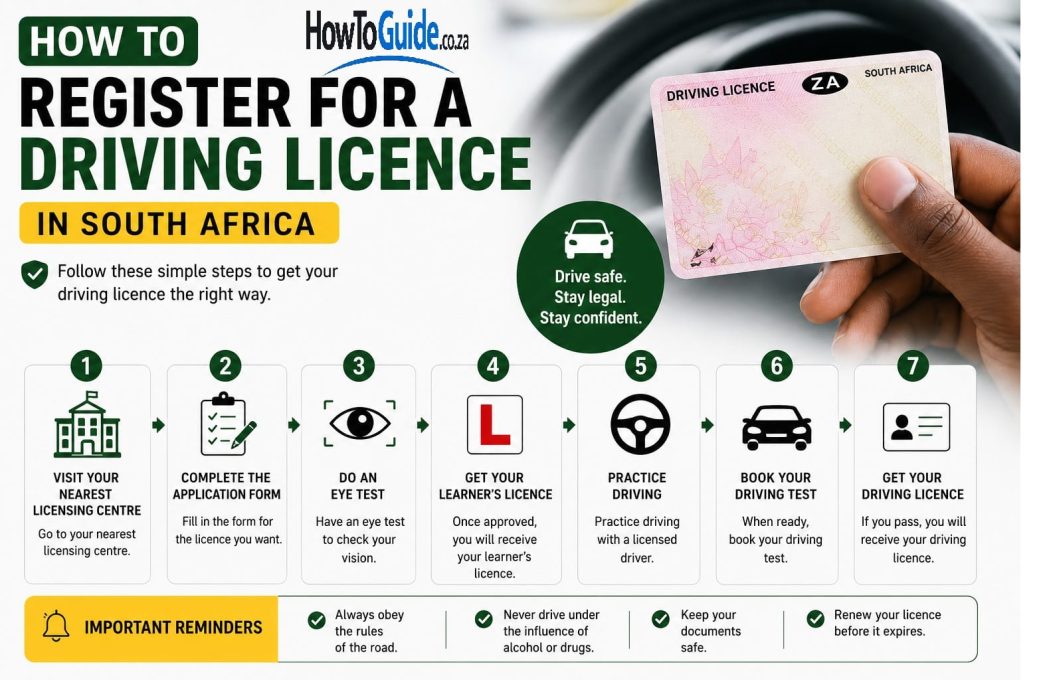
This guide explains exactly how to get your driver’s licence in South Africa, from applying for your learner’s licence to collecting your new licence card.
Who This Guide Is For
This guide is ideal if you are:
- Getting your first driver’s licence
- Turning 18 and ready to apply for a licence
- Preparing for your learner’s licence
- Looking for a simple explanation of the licensing process
- Helping a family member or friend get licensed
- Returning to driving after many years
Requirements
Before applying for a driver’s licence, make sure you meet these requirements.
You must:
- Be at least 18 years old
- Have a valid South African learner’s licence
- Pass an eye test
- Pass the K53 driving test
- Have a valid South African ID or acceptable identity document
- Pay the required application fees
Documents You’ll Need
- South African ID or Smart ID Card
- Valid learner’s licence
- Proof of residential address
- Passport-sized photographs (if required by your DLTC)
- Booking confirmation
- Applicable fees
Step-by-Step Guide
Step 1: Get Your Learner’s Licence
Before you can drive legally, you must first obtain a learner’s licence.
Study the K53 learner’s manual carefully.
The learner’s test covers:
- Road signs
- Rules of the road
- Vehicle controls
Many testing centres now use computer-based testing.
Once you pass:
- Pay the issuing fee
- Receive your learner’s licence
- Begin practising with a licensed driver
Step 2: Practise Driving
Your learner’s licence allows you to practise driving while supervised.
You can learn:
- With a registered driving school
- With a licensed family member
- With a licensed friend
Focus on learning:
- Clutch control
- Observation
- Mirror checks
- Parking
- Hill starts
- Three-point turns
- Parallel parking
- Defensive driving
The more you practise, the more confident you will become.
Step 3: Book Your Driving Test
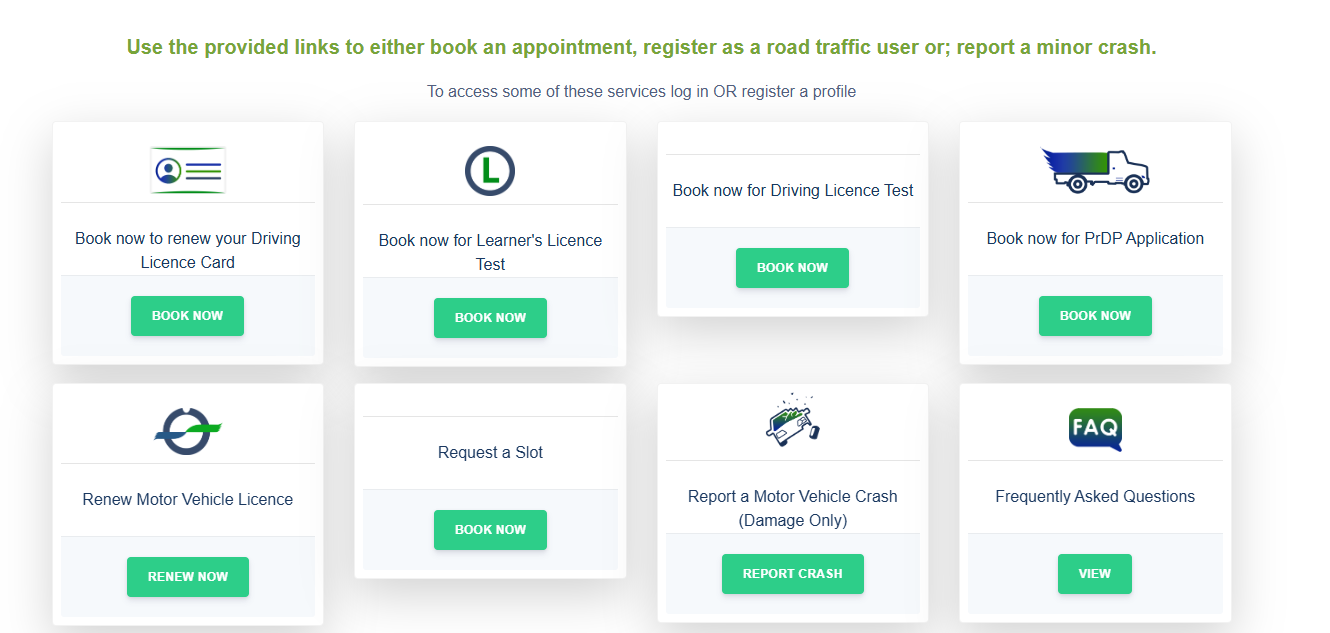
Once you are confident, book your driving test.
Depending on your province, you can:
- Book online (where available)
- Book at your nearest DLTC
You’ll normally complete:
- DL1 Application Form
- Eye test
- Booking payment
Choose a date that gives you enough time to practise.
Step 4: Take the K53 Driving Test
Your practical test has two sections.
Yard Test
The examiner checks whether you can:
- Parallel park
- Reverse correctly
- Perform an alley dock
- Complete a three-point turn
- Stop and start on an incline
- Control the vehicle safely
Road Test
You will drive on public roads while the examiner checks your ability to:
- Follow road signs
- Obey traffic laws
- Use mirrors correctly
- Signal properly
- Observe hazards
- Drive safely
Stay calm and listen carefully to the examiner’s instructions.
Step 5: Receive Your Licence
If you pass:
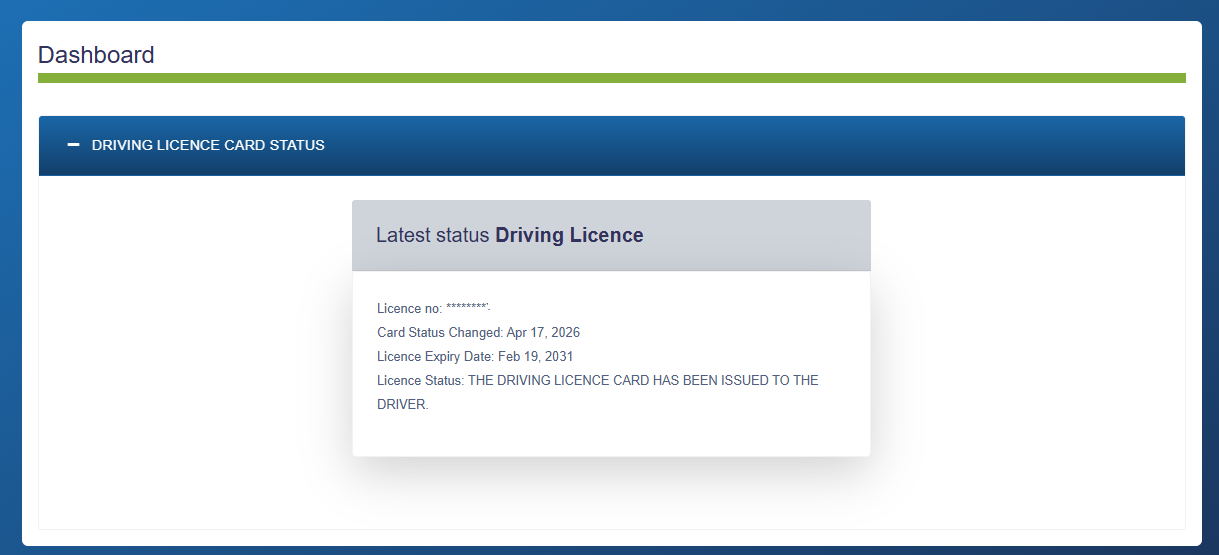
- Pay the licence issuing fee
- Receive a temporary driving licence
- Wait for your licence card to be printed
Most licence cards are ready within four to six weeks.
My Experience and Practical Insights
Getting my Code B licence at 18 taught me that preparation makes all the difference.
The learner’s test seemed intimidating at first, so I spent two weeks studying the K53 manual and completed several online practice tests. By the time I wrote the exam, I already knew what to expect.
For the driving test, I repeated the K53 manoeuvres until they became second nature. Parallel parking and hill starts felt difficult initially, but practising them repeatedly built my confidence.
One lesson I learned was not to rush. During the driving test, I focused on driving safely rather than trying to impress the examiner. The examiner isn’t looking for a racing driver—they simply want to see that you can drive responsibly and safely.
Common Mistakes to Avoid
Avoid these mistakes that often lead to failed tests:
- Not studying the K53 manual properly
- Memorising answers instead of understanding road rules
- Booking the driving test before you are ready
- Forgetting your learner’s licence or ID
- Arriving late for your appointment
- Failing to check mirrors regularly
- Forgetting blind-spot observations
- Speeding during the road test
- Rolling backwards on hill starts
- Letting nerves affect your concentration
Troubleshooting
I failed my learner’s test.
Study the areas where you lost marks and book another test when you feel ready.
I failed my driving test.
Many people don’t pass the first time. Ask your instructor which areas need improvement, practise more, and rebook your test.
My learner’s licence has expired.
You must apply for a new learner’s licence before booking another driving test.
I lost my driving licence.
Visit your nearest DLTC to apply for a replacement licence card. You do not need to repeat the driving test.
My licence card has expired.
Renew your licence card at your local DLTC. In most cases, you only need an eye test and updated fingerprints.
Helpful Tips and Best Practices
- Read the K53 manual more than once.
- Complete online learner’s licence practice tests.
- Practise driving in different weather conditions.
- Practise during peak traffic hours.
- Learn all K53 observations until they become automatic.
- Drive the same vehicle you’ll use during the test whenever possible.
- Arrive at least 30 minutes before your appointment.
- Sleep well the night before your test.
- Stay calm and don’t panic if you make a small mistake.
- Focus on safe driving instead of trying to finish quickly.
Frequently Asked Questions
1. What is the minimum age for a driver’s licence?
You must be at least 18 years old.
2. How long is a learner’s licence valid?
A learner’s licence is valid for 24 months.
3. Can I drive alone with a learner’s licence?
No. A fully licensed driver must supervise you.
4. How long does it take to receive the licence card?
Usually between four and six weeks after passing your driving test.
5. Do I need to retake my driving test when renewing my licence?
No. You normally only complete an eye test and provide fingerprints.
6. What happens if I fail my driving test?
You can book another driving test after improving the areas where you lost marks.
7. Can I replace a lost licence card?
Yes. Visit your nearest DLTC and apply for a replacement.
8. Can I book online?
Some provinces offer online bookings, while others still require in-person bookings.
Official Resources and References
For the latest information, visit the official government resources:
- National Department of Transport
- National Administration Traffic Information System (NaTIS):https://www.natis.gov.za/index.php/downloads/general-documents
- Your nearest Driving Licence Testing Centre (DLTC)
Always confirm:
- Current fees
- Required documents
- Available booking methods
- Testing centre operating hours
Conclusion
Getting your driver’s licence is an investment in your future. It provides independence, increases employment opportunities, and makes everyday life much easier.
From my own experience, the biggest factor in passing is preparation. Study the K53 rules, practise until you feel comfortable behind the wheel, and approach the test with confidence.
Remember that many successful drivers failed once before passing. If that happens to you, don’t give up. Learn from the experience, keep practising, and try again.
With patience and consistent practice, you’ll soon have your driver’s licence and enjoy the freedom that comes with it.
Good luck with your learner’s test and driving test!
Disclaimer
This guide is intended for informational purposes only and is based on official South African licensing procedures and personal experience. Licensing fees, booking systems, testing procedures, and legal requirements may change without notice. Always verify the latest information with your local Driving Licence Testing Centre (DLTC), the National Department of Transport, or the official NaTIS booking system before applying. Passing a learner’s or driver’s licence test is subject to meeting all legal requirements and successfully completing the required assessments.

.
About Pheto M
Pheto M is the founder and guide writer of HowToGuide.co.za, a practical information website created to help people find clear, useful and easy-to-understand guidance on everyday topics.
Pheto started HowToGuide.co.za after noticing a common problem: people often need help with important questions, applications, services and everyday decisions, but the information available online can be confusing, difficult to understand or scattered across different sources.
Pheto has experience and knowledge across several areas, including Business, Information Technology (IT), Education and Relationships. These areas have given her a practical understanding of different challenges people face in their personal, professional and everyday lives.
Today, she dedicates her time to researching, writing and updating practical guides designed to help readers understand information and take the right steps with greater confidence.
Her approach is simple: make complex information simple, confusing processes clear, and difficult situations easier to manage.
Through HowToGuide.co.za, Pheto aims to provide practical, accessible and helpful information that readers can use in their everyday lives.
Pheto values feedback from readers and is committed to continually improving the content on HowToGuide.co.za. If you have a question, suggestion, or would like to get in touch, you can email her at admin@howtoguide.co.za. She personally reviews reader feedback and aims to respond within 48 hours.
Limpopo Online Admission Status Check 2027: Step-by-Step (Grade R,1& 8)
September 2, 2026
Reading Time: 9 minutesApplications for Limpopo Online Admissions 2027 are officially closed. Learn how to log into the portal, track your child’s application progress, check placement status, and resolve common login issues.
ACTOM EHS Internship 2026: Requirements & Application Guide. Closed on 31 August 2026
August 9, 2026
Reading Time: 9 minutesLooking to start your career in Environmental, Health, and Safety (EHS)? Explore the ACTOM Power Transformers EHS Internship 2026 in Wadeville. Learn about qualification requirements, key responsibilities, necessary application documents, and step-by-step instructions on how to apply before the 31 August 2026 closing date.
How to Register for Gauteng School Admissions Grade 1 & Grade 8 Online (2027)
August 5, 2026
Reading Time: 5 minutesLearn how to register for Gauteng school admissions (Grade 1 & Grade 8) online for 2027. Step-by-step GDE portal guide, required documents, and practical tips.
How to Register for SACE Online in South Africa (2026): Complete Step-by-Step Guide
August 4, 2026
Reading Time: 6 minutesLearn how to register for SACE online in South Africa. Follow our 2026 step-by-step guide on eServices, required documents, fees, and application steps.
Limpopo Online Admissions 2027: How to Apply for Grade R,1 & 8 (Step-by-Step Guide): Closed 31 August 2026
July 26, 2026
Reading Time: 6 minutesA complete step-by-step guide on how to apply for public school placement using the Limpopo Department of Education Online Learner Admissions System (OLAS) for the 2027 school year. Learn about opening and closing dates, required documents, registration steps, and common mistakes to avoid.
UIF Graduate Internship Programme (2027-2029): How to Apply for 109 Internship Opportunities. Closed
July 25, 2026
Reading Time: 4 minutesApply for the UIF Graduate Internship Programme 2026 (109 Posts). Earn an R8,174.75 monthly stipend. Get application emails, Z83 details, and step-by-step instructions before 7 August 2026.
How to Negotiate a Higher Salary in 2026: A Step-by-Step Guide
July 21, 2026
Reading Time: 5 minutesFeel like your hard work and loyalty are going unrewarded? Discover 5 step-by-step strategies to research your market value, prepare a convincing pitch, and negotiate a higher salary or better benefits package with confidence in 2026.
ATNS Graduate in Training Programme 2026 (24-Month Paid Internship): Closed
July 15, 2026
Reading Time: 5 minutesApply for the ATNS Graduate in Training Programme 2026. Discover 24-month paid graduate opportunities in Business, Logistics, Aviation Security, Information Management, and OHS based in Johannesburg. Closing date: 28 July 2026
Seriti Engineering Learnership 2026 (NVC071/26GS): Apply Online:Closed
July 13, 2026
Reading Time: 5 minutesWant to launch your engineering career in the mining sector? Apply for the Seriti Engineering Learnership 2026 (Reference: NVC071/26GS) at New Vaal Colliery. Discover the minimum N2/Grade 12 requirements, available trades (Diesel Mechanic & Auto Electrician), and follow our step-by-step application guide before the closing date on 21 July 2026.